

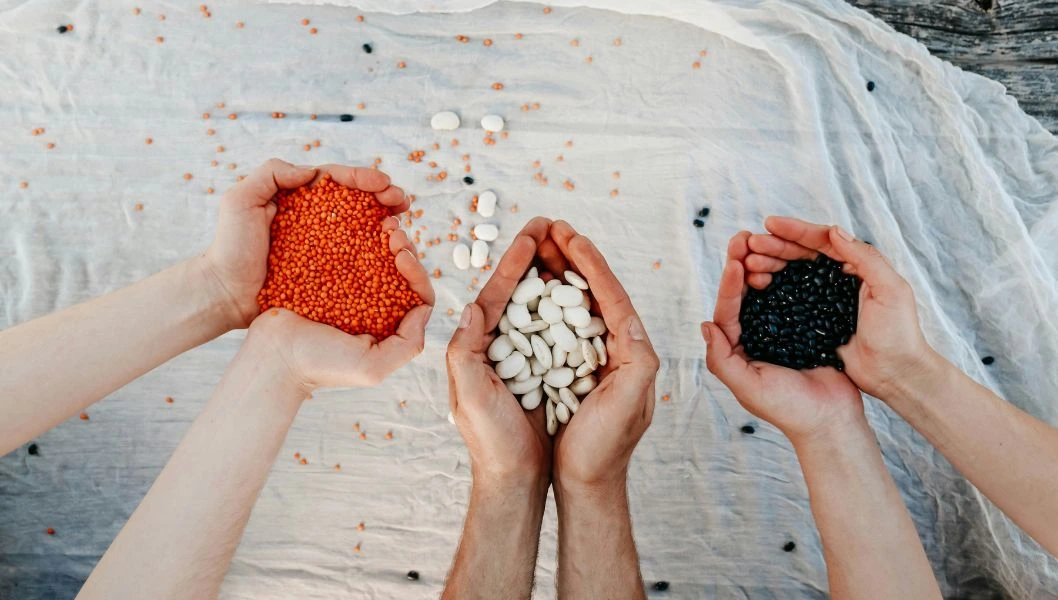
Research shows that producing plant-based proteins has a lower carbon footprint than meat-based alternatives. For example, producing 100 grams of protein from peas emits just 0.4 kg of CO₂‑equivalent, whereas producing the same amount of protein from beef emits 35 kg of CO₂‑equivalent — nearly 90 times higher.
In recent years, countries such as Denmark, Finland, Portugal, and France have developed national food strategies to support the transition to healthier, Rebalancing plant-based and animal-based protein can also help restore ecosystems and biodiversity through reduced land use for food production, while improving Eunomia have delivered multiple projects on different elements of this transition for a range of clients.
In 2025, NetZeroCities (NZC) and partners sought food policy expertise to support the City of Amsterdam in reducing its Scope 3 emissions from food consumption in its pursuit to become a Net Zero city. Given that animal protein consumption is the main driver of Amsterdam’s Scope 3 emissions,[1] the City requested a specific focus on measures to accelerate the protein transition. A secondary focus included the prevention of food waste, with the City’s food strategy outlining a 50% reduction target by 2030.
Working with Dutch partner CE Delft, we identified 75 possible policy measures, inspired by examples from other cities and policy domains. The longlist was shortlisted and categorised through an assessment of potential climate mitigation impact; implementation cost; and likelihood of influencing behaviour or action, as well as through client workshops. We selected four policy themes with high potential to reduce emissions and change consumer behaviour for in-depth analysis. These themes focused on different target groups, built on the city’s existing strengths (notably, approaches to public procurement), and helped address policy gaps where action is currently lacking.
The chosen themes included:
- High-potential measures with retail.
- Sustainable and healthy food offerings within educational institutions and sports settings;
- Opportunities within the Metropolitan Region of Amsterdam (the City itself and 36 local authorities); and
- Building an image of Amsterdam as a ‘plant-based capital’.
We worked collaboratively with CE Delft to produce a comprehensive report and drew on stakeholder insights to learn from wider European experiences on food strategies. This included consultations with the former deputy mayor of climate and agriculture of the City of Ghent and a representative of the Danish Vegetarian Society.
Decision makers will use this report as they implement the city’s food strategy. The findings will also be of potential interest to any jurisdiction (municipal, regional, or national) considering options for healthy and sustainable food strategies.
This project has received funding from the H2020 Research and Innovation Programme under grant agreement no101036519.
[1] Monitor Circulaire Economie 2022 | Website Onderzoek en Statistiek